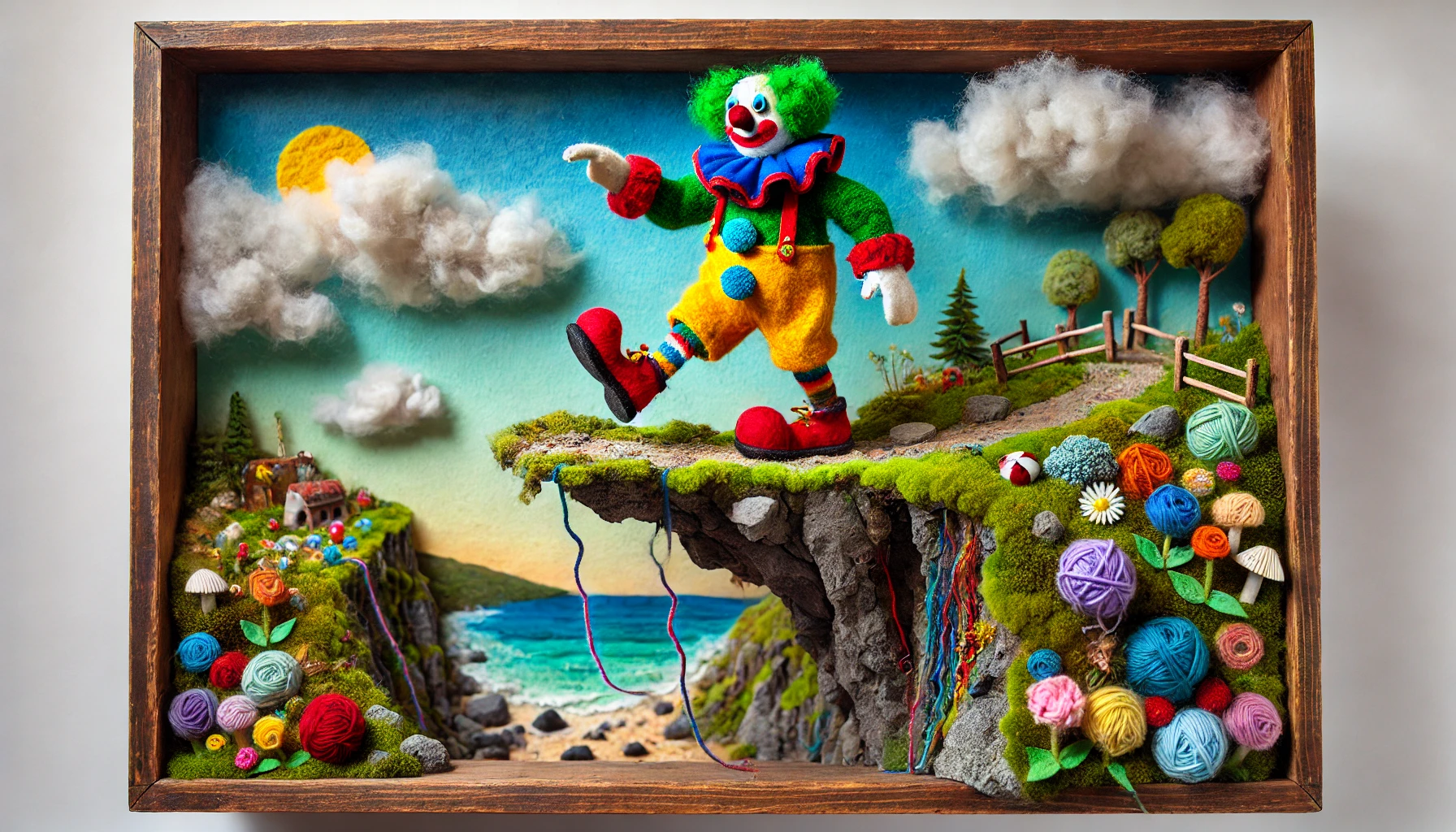
Last time, we talked about pacing in terms of your character digging themselves deeper with every choice they make. Sometimes, though, this leads characters to do downright asinine things, walking away with the dreaded Too Stupid to Live (TSTL) trophy.
But readers don’t think a character is TSTL simply because they do something risky. After all, without taking risks, the heroine wouldn’t be the heroine.
You can have an MC (main character) do absolutely batshit things and readers will cheer—if you follow some basic guidelines.
How Characters Become Too Stupid to Live ☠️
A character becomes TSTL when they choose danger for no good reason other than the plot needs them to.
Sir RidesALot knows the 1,000-year-old vampire who hasn’t had a snack in three weeks is dangerous. Everyone does. He’s been warned repeatedly that going into Count McFang’s creepy castle—alone—is a T-E-R-R-I-B-L-E idea.
Still, he thinks, I’ll just take a gander. 🤬 This is where we’ll be rooting for McFang to drain Sir RidesALot the moment he sets foot inside.
How about, instead…
Sir RidesALot knows the back gate of Count McFang’s castle will be unguarded for exactly twelve minutes. He’s been tracking the patrol pattern for days. Miss this window, and the next chance won’t come until the full moon.
Problem is, Count McFang has Sir Beloved, Sir RidesALot’s sweetheart, chained up in the dungeons. By the next full moon, Sir Beloved will be transformed into a baby vamp—and we’re not talking the sexy kind:
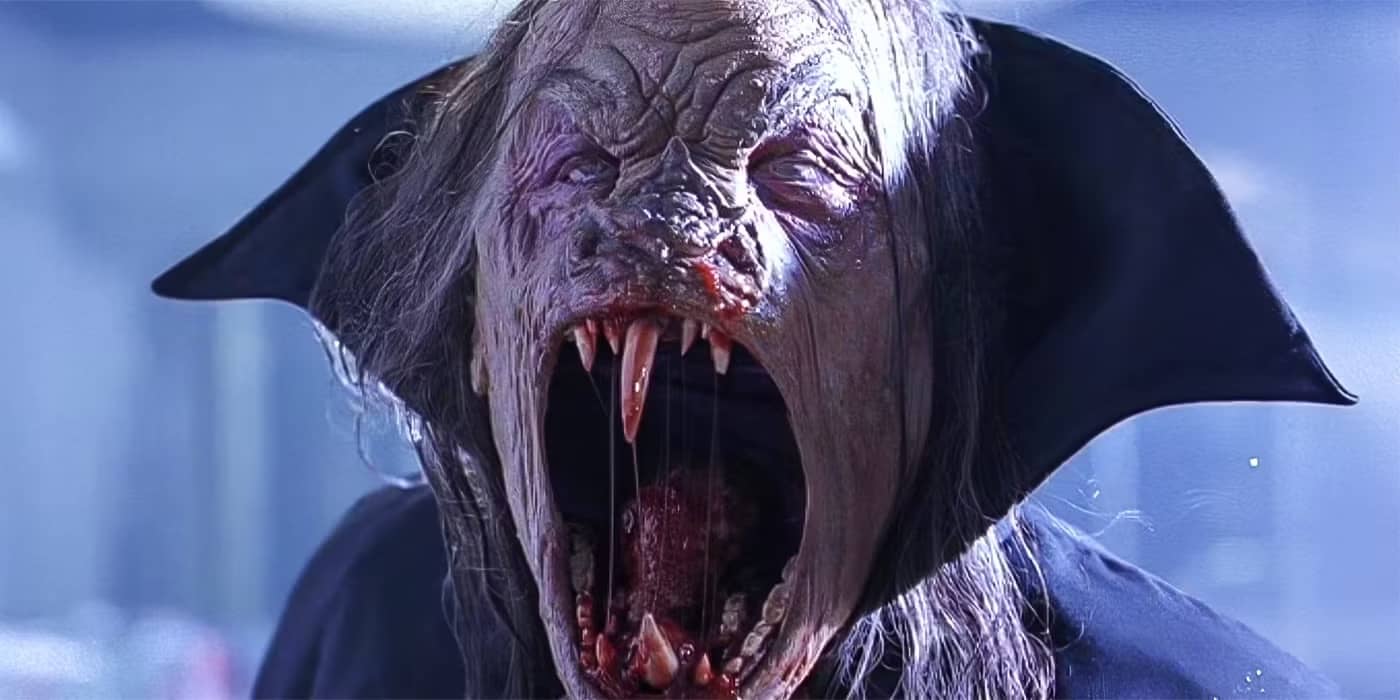
Well, then. Looks like we’re breaking into Count McFang’s tonight.
Let’s break down how to bring your character back from the TSTL brink…
Signal that the character knows it’s a risk.
In the first example, Sir RidesALot is oblivious to the danger that everyone else, the reader included, has spotted from a mile away. Unless there’s a very good reason for Sir RidesALot’s blind spot, readers will find this supremely annoying.
However, if he beats his breast, wailing, “This is folly, but go I must! I would sooner die a fang-chewed husk than abandon Sir Beloved to so cursed an end!” he’s no longer a dumdum. He’s a lovestruck hero, and we’ll be cheering him on to the final reckoning.
Granted, the character’s acknowledgement doesn’t operate in a vacuum. We also need…
Let the risk-taking be competent, even if flawed.
In the fixed-up version, Sir RidesALot is doing his damnedest in a damnable situation. A competent-but-flawed risk reads very differently than a dumbass decision, even if things go sideways.
A TSTL knight blunders into Count McFang’s castle armed with nothing but bluster and is promptly torn apart to the reader’s eye-rolling approval.
But we’ll gladly follow Sir RidesALot when he:
- spies on the walls for three nights straight, memorizing the patrol routes
- pores over the castle’s layout from a half-burned floor plan stolen from the abbey archives
- disables the magical ward using a hard-won trick that nearly got him killed ten years ago
Once inside, Sir RidesALot allows himself a moment of triumph, and we’re cheering right along with him.
That’s when the stones beneath his feet begin to steam. The Count’s new hell hound, just adopted from the infernal kennels this evening, lifts its head and scents the air.
Dammit.
It’s okay for plans to go sideways. In fact, until the book reaches its climax, they often should. Just be sure to show your character:
- anticipating consequences and taking precautions
- using their skills and drawing on past experience (instead of conveniently forgetting at the pivotal moment)
- attempting a less risky workaround first—or being unable do so for plausible reasons
Make the risk feel inevitable, not optional.
It’s maddening when a character risks everything for lame-ass reasons—in other words, because the plot needs them to. If Sir RidesALot hazards life and limb just to ask Count McFang a few questions that could’ve been sent by letter, the reader would be forgiven for gnashing their teeth in protest.
But if Sir RidesALot is the only thing standing between Sir Beloved and an eternity as—gasp—an unsexy vampire, the risk no longer feels optional. Act now, or lose everything.
Readers will gladly follow a character into danger when the risk is proportionate to what’s at stake, whether that’s the life of a loved one, a vital piece of knowledge, or a moral line that can’t be uncrossed.
But that acceptance only happens if the author has laid the proper groundwork. The reader has to understand why this outcome matters so deeply and care enough about the character to be invested in their success.
This is why opening a book with the MC already in peril can be tricky.
Not impossible, but tricky. If we open the story with Sir RidesALot battling his way through the castle, no amount of sulfuric, slobbering hell hounds or flocks of blood-sucking bats can substitute for emotional investment in the characters.
Chances are readers don’t yet care—about Sir RidesALot, Sir Beloved, or what happens to either of them. They don’t know these dudes. You can still hook readers in other ways (voice, mystery, spectacle), but you can’t rely on them biting their nails over characters they’ve only just met three sentences ago.
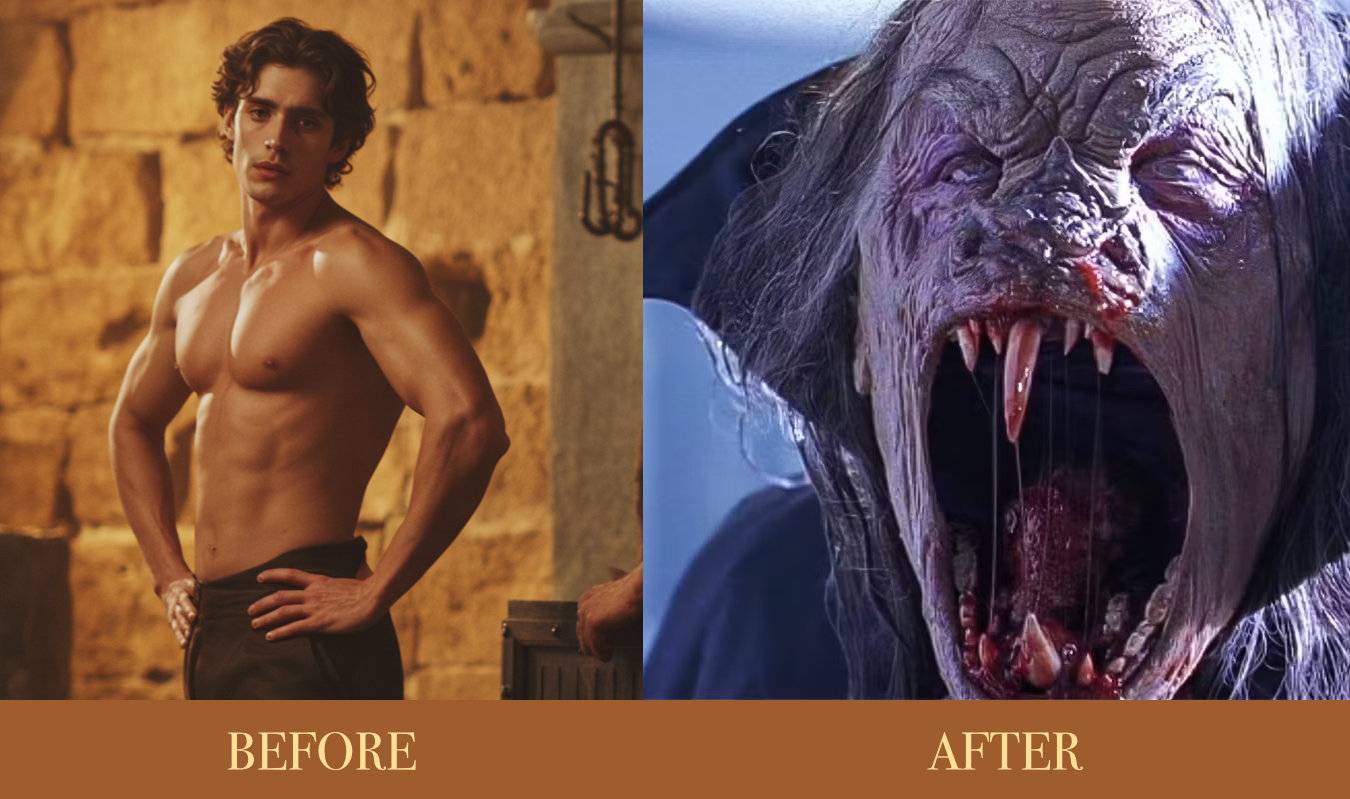
This is an easy goof, because as the author, you are already deeply invested. You love these characters! (And if they look like Sir Beloved, I can see why!) You’ve probably spent months, if not years, with them, and you’re picturing readers on the edge of their seats, frantic with worry.
But the reader, alas, has not yet fallen in love with Jimmy Joe Rando.
Avoid clichéd stupidity.
Based on your genre, there are likely well-trampled TSTL paths that are best avoided, and you probably already have a list based on what irks you in the books you read!
To name just a few:
- In horror, entering the monster’s hell lair and splitting up to “cover more ground.”
- In fantasy or action, abandoning allies, preparation, and an actual plan to face the Big Bad alone, because “this is my fight!” or “we can’t wait for backup!” (I’ve totally done this—in my books, not real life, thankfully!)
- In romance, refusing to ask a clarifying question for 200 pages, because the entire conflict depends on a misunderstanding that could be resolved in a single, mildly uncomfortable conversation. (Yep—done this one, too! Yippee!)
- In a mystery or thriller, withholding critical information for “reasons,” perhaps sitting on key evidence while the serial killer closes in instead of ringing the police, like, yesterday.
- In sci-fi, removing a helmet on an alien planet because the air “seems fine,” or dismissing a warning from the massively-advanced AI as a “glitch,” moments before everything explodes.
If you recognized yourself in any of these, welcome to the club, my friend. We meet on Tuesdays; free coffee and donuts. 🍩
Next time, we’ll explore why some stories can have loads of action, yet feel like they’re going nowhere fast.
See you then!