Last time, I told you about the strange newspaper clipping I found hidden under my armchair—the one about the bloody trail and the bootlegging ring? A newspaper clipping that shouldn’t exist.
Here’s the thing about stories like this: you seize a thread, hoping it will guide you out, toward something that makes sense. Instead, it snakes into shadow, doubling back on itself, luring you deeper into the labyrinth.
When I went looking for more about that Dunsmere Gazette article, what I found was chilling.
The sheriff at the time, Sheriff Calloway, concluded that the cave had only recently been commandeered for bootlegging. To be honest, I couldn’t tell if this was just clever PR, a bid at placating the townspeople to save his own ass. People were understandably up in arms that Harrowfell had become a hideout for the mob, right under the sheriff’s nose.
But what didn’t feel staged was Sheriff Conway’s fear.
“I’ve seen what men can do to each other when liquor and guns are involved,” he told the reporter. “I’ve seen bullets tear through bone, knives leave a man in ribbons. But this…this wasn’t like that. The drag marks in the dirt, the blood on the crates, all over the walls—it looked more like an animal had been at them. But I can’t imagine what sort of animal would be big enough to do it, not around here.”
I’m not sure they ever found out what it was, but the hubbub finally jolted the Harrowfell estate trustees out of their self-serving silence. Apparently, though the board had been hired to maintain the sprawling estate and its grounds—grounds that included a walled-in garden, a labyrinth, and the unfortunate cave—they’d let the property fall apart, skimming from the coffers all the while.
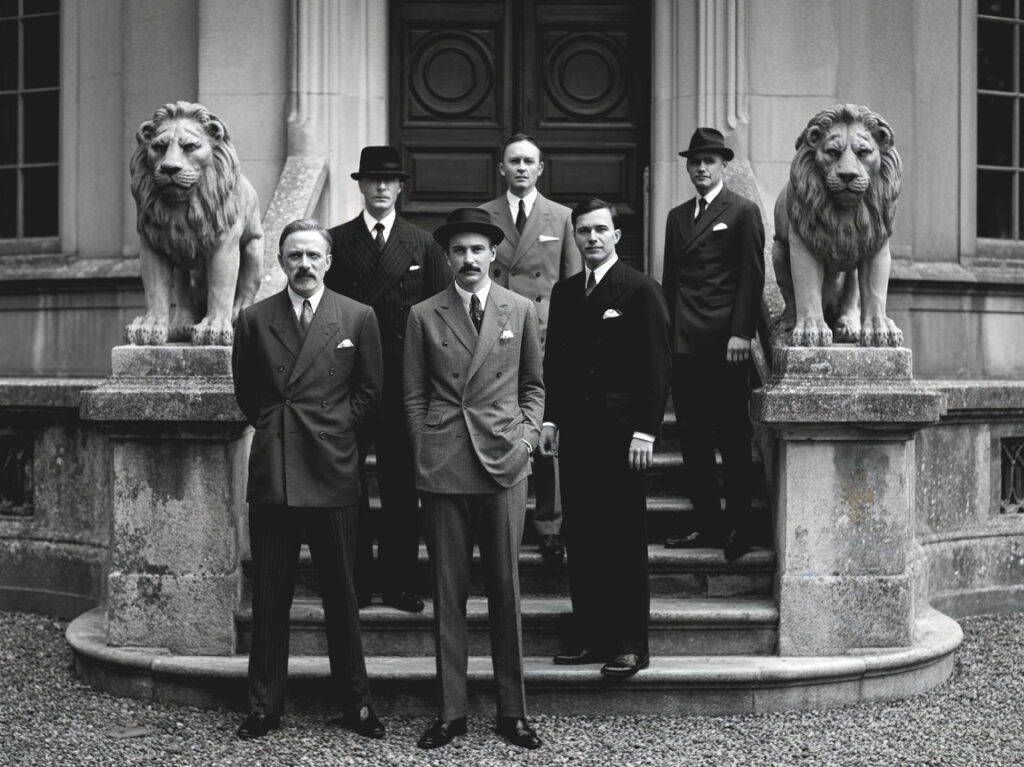
Their excuse? Finneas Thorne—son of a coal magnate and the eccentric mind behind Harrowfell Hall—had left behind adamant instructions: not a stone was to be moved, not a hedge trimmed, without consulting the labyrinthine addendum to his will.
For years, the trustees threw up their hands, hiding behind their paper shield while Harrowfell crumbled to ruins. But now, with the townsfolk outraged, the board was cornered. They could stall no longer—someone had to be sent inside.
I would have thought they’d hire a contractor, someone to assess toppled walls and sagging beams. But here’s where the story takes another turn.
Instead, the trustees brought in an art conservator from Barton College, a Dr. Josephine Ashcroft.
The decision shocked the townsfolk. One villager fumed to the Gazette: “It’s disgraceful, sending that young woman up there alone. Shows you what kind of people sit on that board—heartless, every one of them.”
The trustees claimed that they needed Dr. Ashcroft to catalogue Finneas’ Thorne’s extensive art collection to ensure priceless works were protected before attempting major renovations. Thorne was a prolific painter, and apparently there were very few walls in Harrowfell not covered in paintings, many of them depicting nightmarish scenes of winged beings tumbling into pits of fire.
I’d buy their story if the board had shown one iota of concern over the paintings during the 100-odd years when Harrowfell sat empty following Finneas’ disappearance.
I don’t know, I might be biased because they referred to Dr. Ashcroft as “Josie,” even though none of them knew her personally, and her Barton College bio clearly indicated she’s a PhD. If you ask me, it was pure stalling tactic by the board, and given the safety hazards, a particularly unscrupulous one at that.
Well, as it turned out, the joke was on them, because the board underestimated just how thorough Dr. Ashcroft was. While meticulously cataloging Finneas’ paintings, she found something none of them had bargained for.
See you next week.