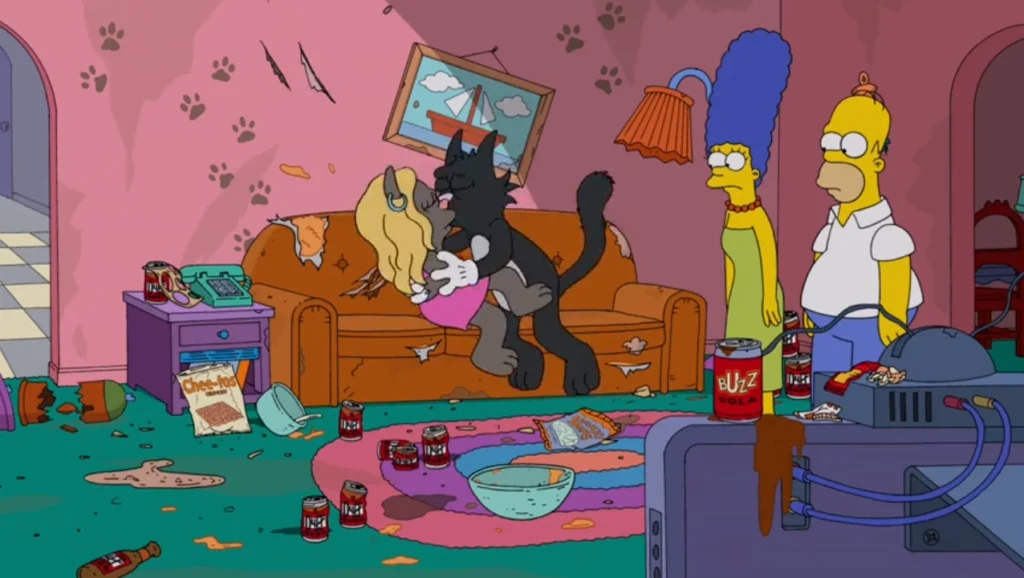
Growing up, my favorite part of The Simpsons was the intro. At that familiar theme song, I’d race into the living room, dying to know how they’d riff on the piling-on-the-couch gag this week.
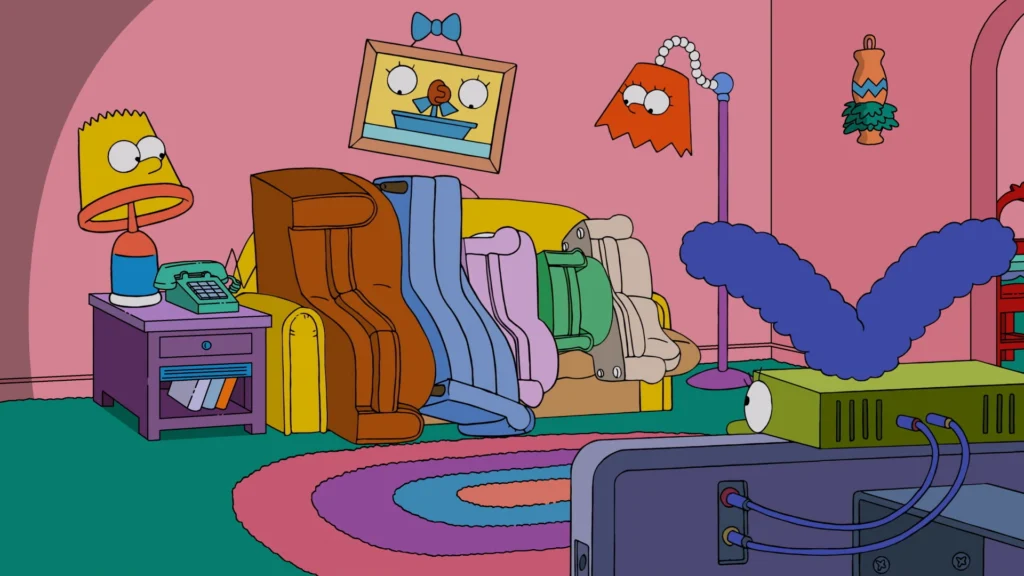
That childhood fascination was a strong predictor of my grown-up creative work. The mash-up of the familiar + the unexpected turned out to be the catnip my brain craves.
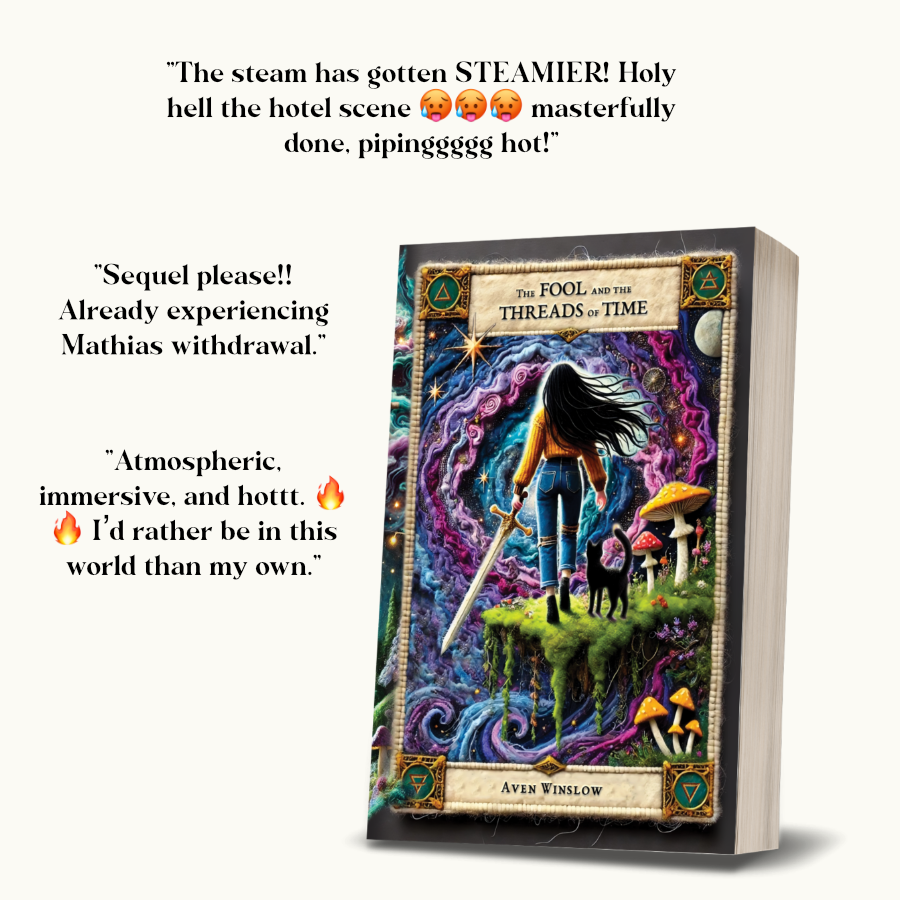
I wasn’t conscious of this influence when, holed up in an Oklahoma City hotel room in 2022, I started writing what would become (after many, many iterations) The Fool & the Threads of Time.
But a book series about past lives is, at its core, a story of remixing. Same souls, different contexts.
It’s the romance-novel version of the couch gag.
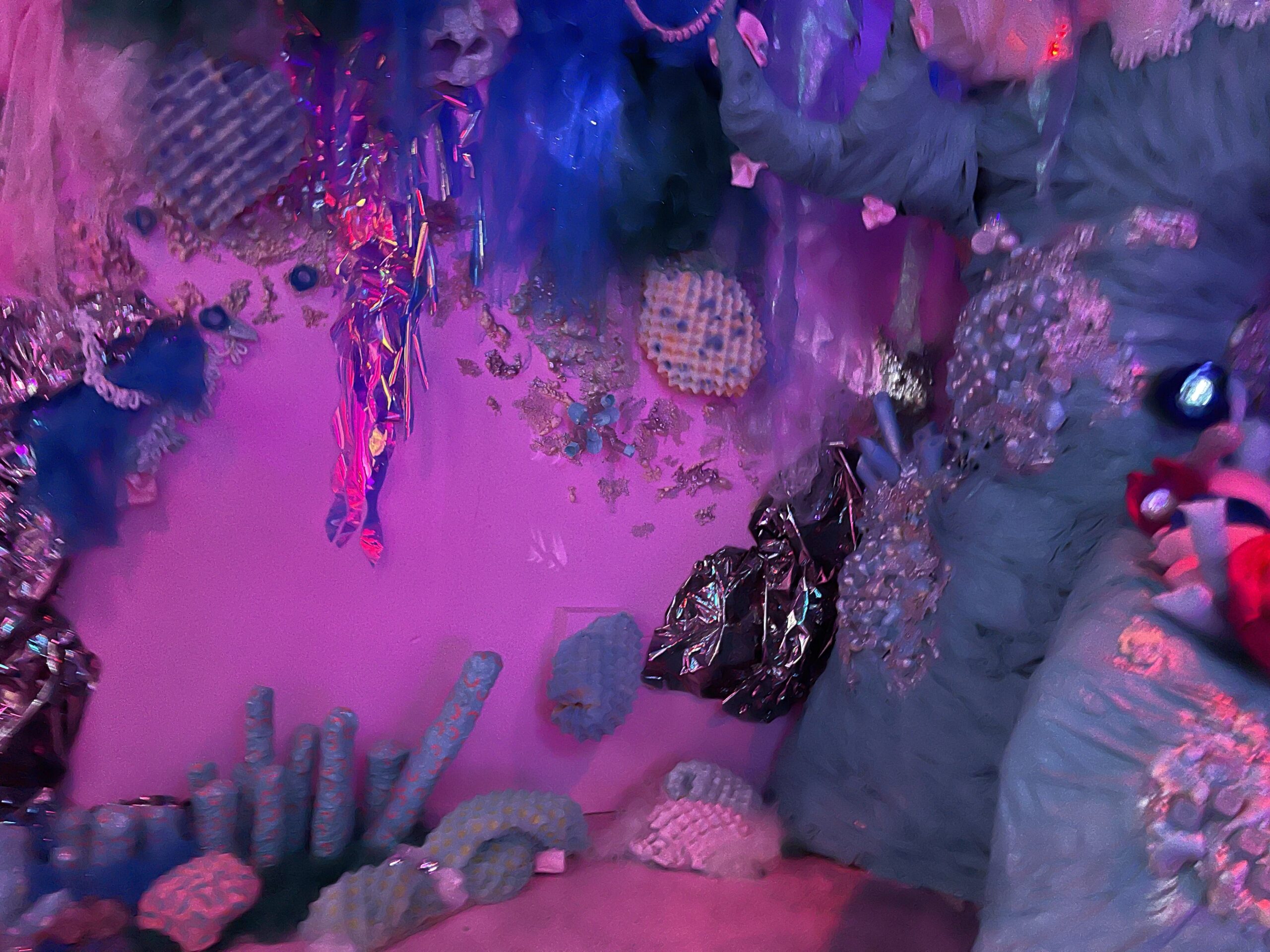
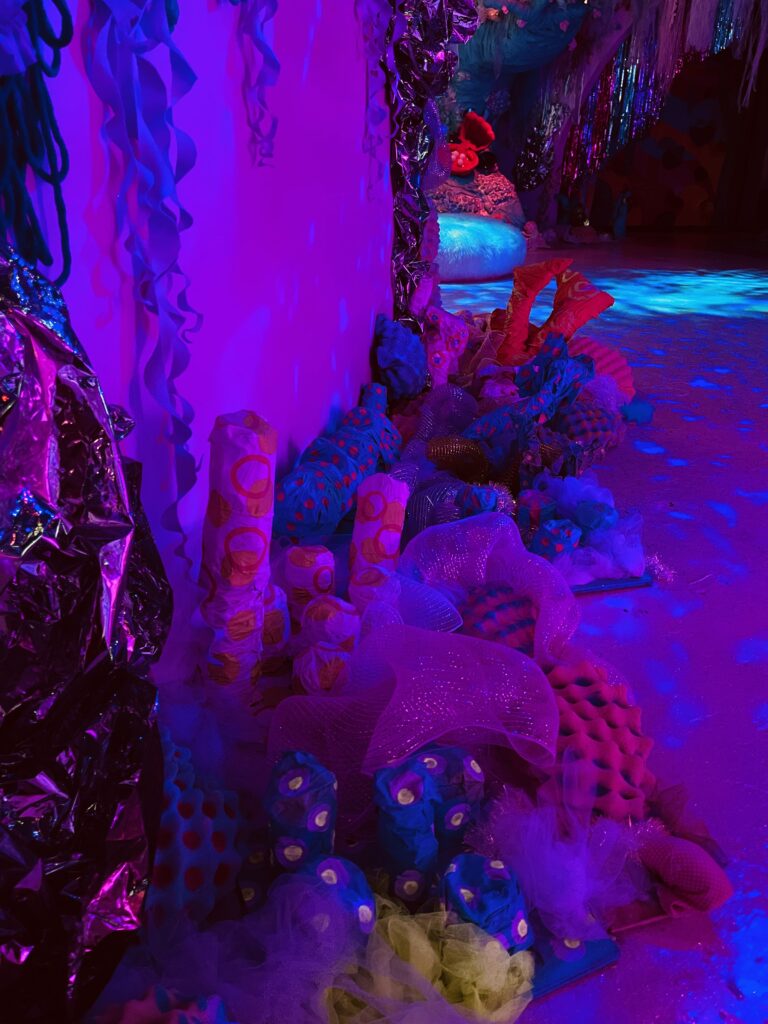
Speaking of remixing…it was only in writing this essay that I remembered my favorite part of that Oklahoma City trip—going to Factory Obscura: MixTape, an interactive art space that had me dreaming in yarn, glitter, and tulle for weeks.
I got to wander through a multi-room coral reef created entirely from textiles, an influence you’ll be able to spot in The Magician & the Labyrinth of Yesterdays (releasing in 2026).
The Fragmentary Land of Memory
Have you read Carmen Maria Machado’s memoir, In the Dream House?
It utterly blew me away—both for Machado’s gut-wrenching honesty in recounting her experience of domestic abuse, and for the brilliant way she used narrative structure to reflect the fragmentation of memory and trauma.
While the story was roughly chronological, each chapter was told through the lens of a different narrative trope—for instance, “Dream House as Lesbian Cult Classic” or “Dream House as Inciting Incident.”
That approach—using story structure to shape and reveal meaning—left a lasting impression on me. It illuminates a (sometimes uncomfortable) truth about the messiness of reality: There is no single way to understand a thing.
A Tale of Two Tarot Readings
I used to be a professional tarot reader, and in the 1,000-plus readings I did over the years, I will never forget two readings in particular.
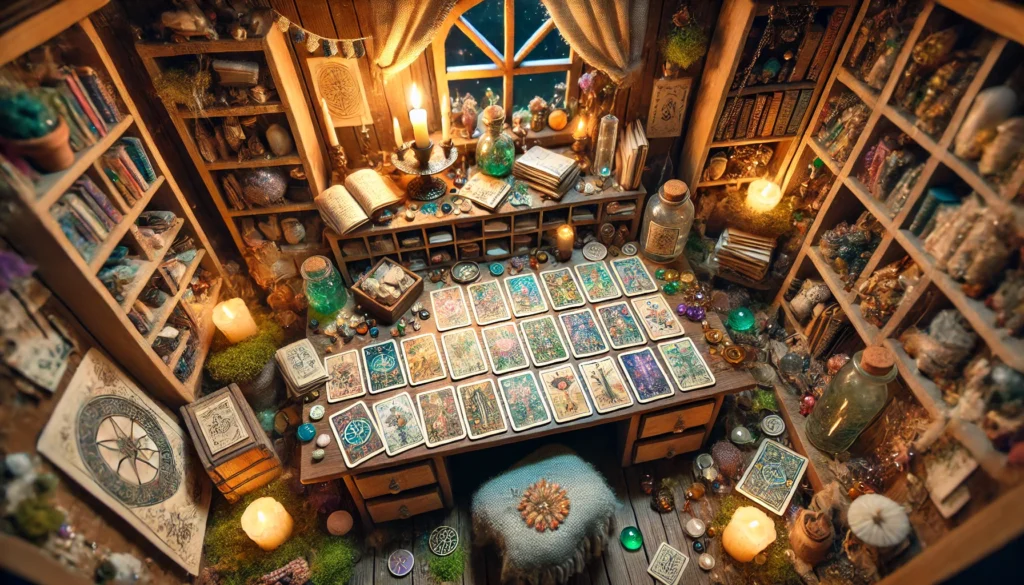
Two new clients, booking roughly a week apart. At the center of both spreads was the Hierophant, but given how many readings I did every week, I didn’t think much of it.
Until I neared the end of the second reading, that is.
Neither client had mentioned the other’s name, so I hadn’t known that they knew each other, that they were, in fact, getting readings on the very same situation.
The spread was a startlingly clear map of first-person POV.
There was the Hierophant at the center (the core theme), and a unique constellation of cards radiating outward. What one person saw as useful structure and clarity, the other experienced as dogma and control.
Each of them was carrying a story that felt irrefutably true, but those truths were shaped by where they were standing.
Next time, I’ll show you how this tarot-style framing shows up in my creative process—how changing the question, or the lens, can lead to dead ends…or open the door to mysterious new worlds.
See you soon.